
Dalley: Apkallu-2, IDD 2011
Iconography of Deities and Demons (IDD).
Apkallu (continued).
“The deities Ea, Damkina, Gula, Enlil, Adad, Marduk, Nabu, and Gerra were all called “sage of the gods” in texts on particular occasions; the link with Ea is apparent for type 2 from 40, 47–48, and with Marduk and Nabu from 63. A link between type 2 and the moon god Sin is shown on 45 and probably with Adad on 15*.
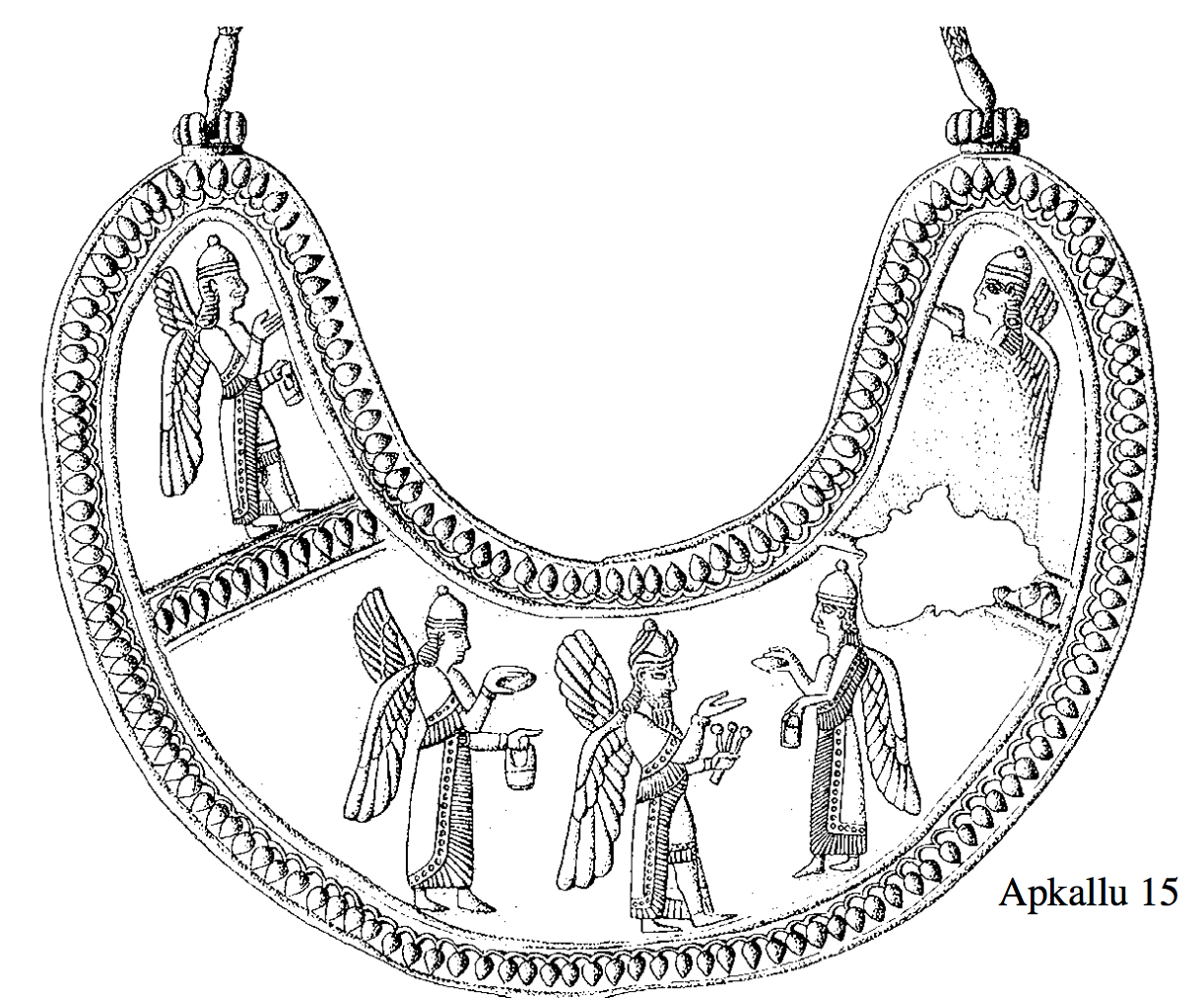
Apkallu type 1, Illustration 15, Stephanie Dalley, IDD.
Four beardless umu-apkallu flank a fifth bearded one wearing the horned tiara indicative of divinity. Apkallu are often portrayed wearing this crown, but this illustration may be unique with just one.
The two bottom apkallu hold mullilu and banduddu in their appropriate hands, while the central apkallu holds what appear to be poppy bulbs.
Exceptional people such as Sennacherib, his wife Naqia, and their grandson Assurbanipal were called sage, a./apkallatu, whether as flattery or as a result of specific circumstances.
A 7th century queen of Arabia was also given the title of sage, perhaps related to the meaning of the cognate as a type of priest in early Arabia (BORGER 1957). This may be linked to the appearance of unbearded type 1 sages whose garments differ from those of bearded sages (1*–2, 27–30).
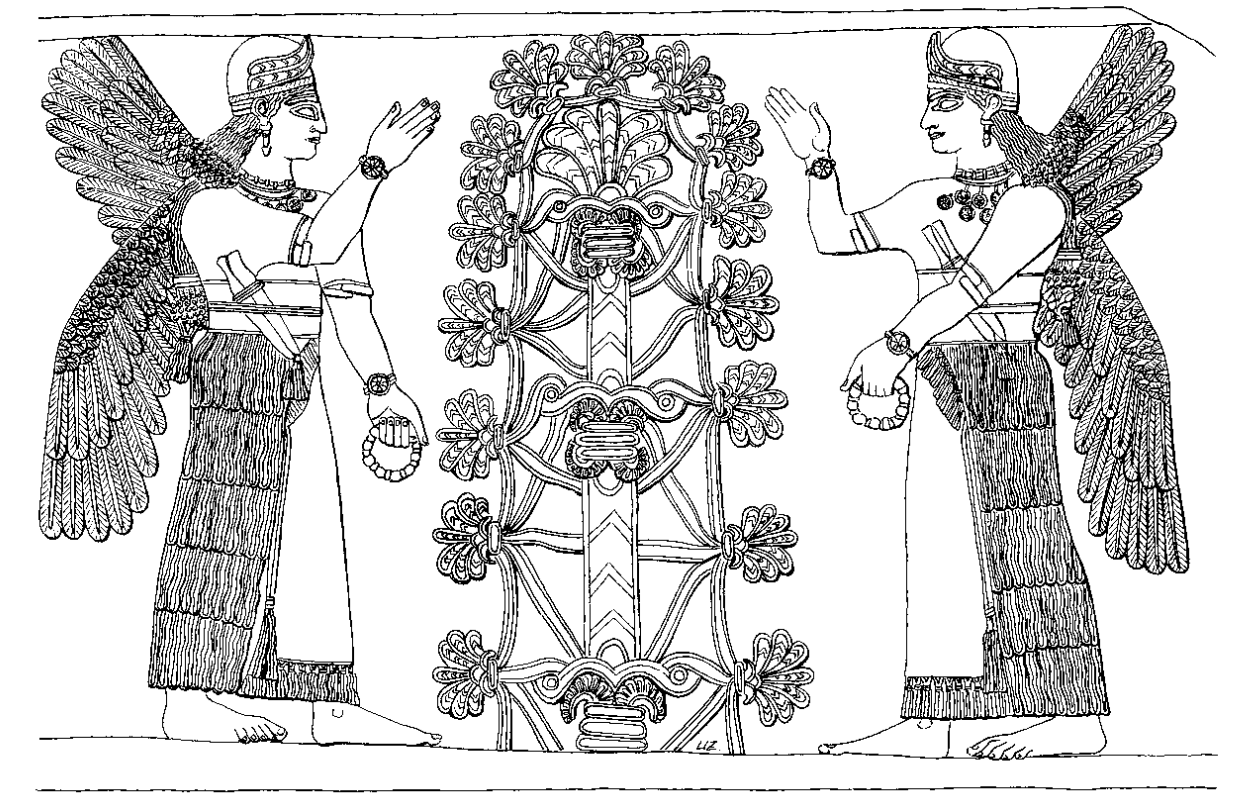
Apkallu type 1, illustration 1, Stephanie Dalley, IDD.
Stephanie Dalley’s “beardless” type 1 apkallu. Aside from being beardless, these feminized apkallu wear atypical necklaces and hold what appear to be looped stones or prayer beads in their left hands.
Typical rosette bracelets adorn their wrists, and they wear armlets at the elbow as is common.
Both umu-apkallu wear the horned tiara indicative of divinity, as they salute a sacred tree in its prototypical configuration.
One of the questions relevant for the three iconographic types of sages is whether they refer to categories of sage related to different periods in time – preflood, intermediate (i.e., Ziusudra–Atrahasis who lived through the flood), and postflood; or to different functions such as writers of medical texts or court wisdom; or whether chronological and/or regional traditions account for different types and associations.
II. Typology
1. HUMAN-FIGURED Apkallu (1–39)
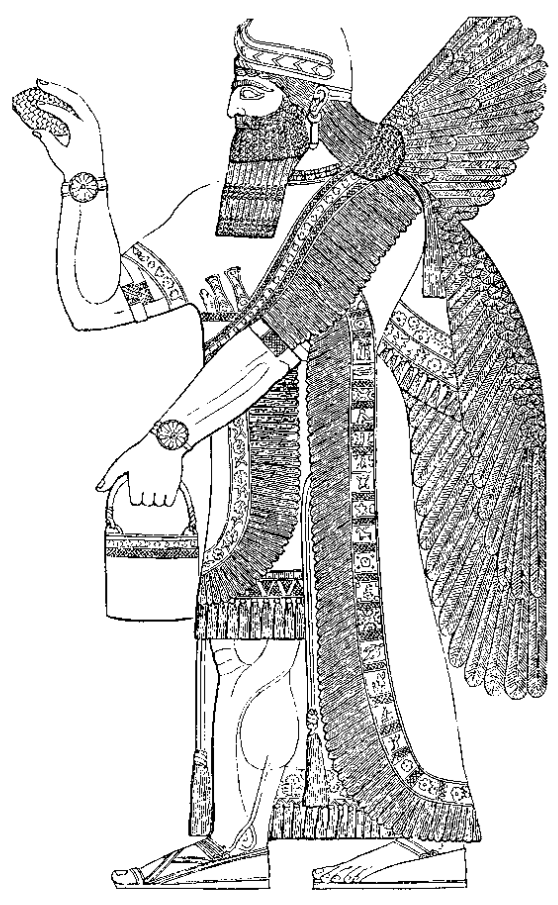
Apkallu type 1, illustration 6, Stephanie Dalley, IDD.
This classical depiction of an umu-apkallu includes the mullilu in the raised right hand in the gesture of blessing or exorcism and the banduddu bucket in the left hand.
The horned tiara indicative of divinity may reflect the semi-divine status of the apkallu.
Armlets at the elbow are present, as are wristbands with the typical rosette pattern.
2. FISH-CLOAK Apkallu (12, 33–35, 40–66)
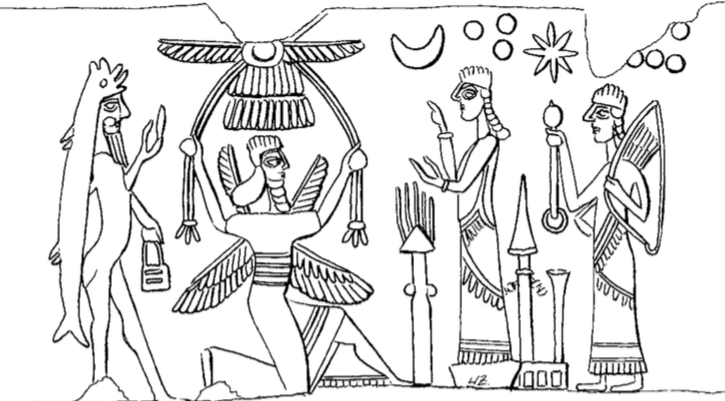
Apkallu type 2, illustration 33, Stephanie Dalley, IDD.
This puradu-fish apkallu on the left holds the banduddu bucket in his left hand.
The central figure appears to be a type 1 umu-apkallu, holding the reins to a winged conveyance.
I am unsure of the right side figures, as they both lack horned headdresses indicative of divinity and they stand on the ground, rather than on animals.
3. BIRD-OF-PREY-HEADED Apkallu (6–7, 21, 36, 39, 67–80)

Apkallu type 3, illustration 36 (detail) Stephanie Dalley, IDD.
The bird-headed type 3 Nisroc apkallu is on the right, with banduddu bucket in the left hand and an indistinct item in his raised right hand.
The figure on the left lacks wings, though it mimics the blessing gesture and the banduddu bucket of the right-side apkallu. The left side figure may not be an apkallu at all. Perhaps it is a priest. Or a human umu-apkallu. It lacks all symbols of divinity or semi-divinity.
The central figure is problematic for me, wearing a crown which reminds me of a depiction of the god Anu. The problem is that Assyriologists aver that no representations of Anu exist.
Like the atypical illustration below, this one wears a large ring around the torso. This figure also holds a ring in his left hand, raising his right hand in the classical gesture of greeting.
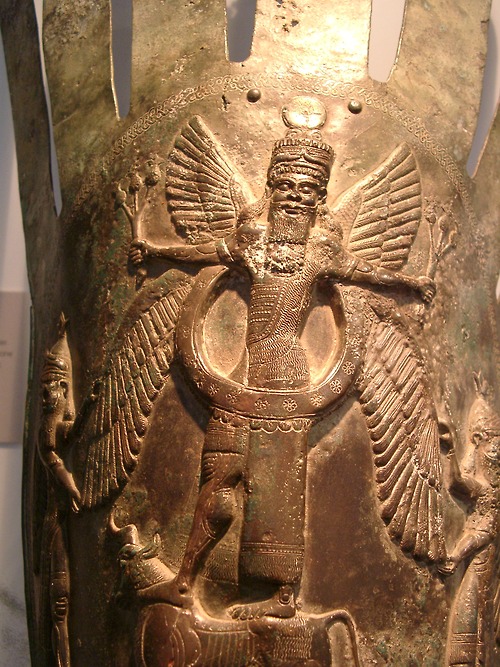
This design is perplexing. I am uncertain whether it depicts a human apkallū, an ummanu, or, as earlier analysts speculated, the god Anu. The problem is that Assyriologists assert that Anu is never represented in illustrations or bas reliefs.
The iconography is correct for an apkallū. The horned headdress is indicative of divinity, the plants held in both hands are not unprecedented, though they are not common. I believe that they are poppy bulbs.
The rosette design in the large ring appears elsewhere in Neo-Assyrian symbolism, though its significance is undetermined. The large ring around the torso appears around the central figure in illustration 36 above, as well.
The wings on the figure are typical of an apkallu.
The fact that the figure stands on a bull, however, suggests that this is a depiction of a deity, rather than a human apkallū.
Further, the disc atop the headdress is problematic. In no other example does a human apkallū appear with a disc surmounting a horned headdress. The device at the top of the figure in illustration 36 above resembles this one.
Indeed, it is unclear whether the disc is just worn, or whether the lower part of the disc portrays the inverted horns of the Moon, indicative of the Moon god Sin. Or, it could just be a damaged ring, similar to the device in illustration 36 above.
This is one of the most dramatic examples of Neo-Assyrian art, but my scholarship is too meager to explicate it.
http://transfixussednonmortuus.tumblr.com/image/32382020729
4. PROBLEMATIC IDENTIFICATIONS
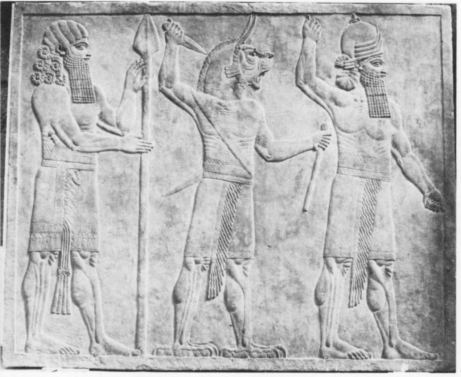
GENERAL REMARKS. No single image definitively represents the sages. However, three main types can be distinguished: the human-figured, winged Apkallu (type 1); the fish-cloaked (type 2); and the bird-headed, winged Apkallu (type 3). (As portrayed above and depicted below).

The three types of apkallū are portrayed, with the human ummânū at far left, the Nisroc bird-apkallū type in the middle, and the antediluvian purādu-fish type at far right.
The human ummânū is attested in the Uruk List of Kings and Sages, while other references to bird-apkallū are legion, as documented in Wiggermann and other authorities.
The purādu-fish apkallū is principally attested in Berossus, though other authorities confirm them, as well.
The anthropomorphic qualities of the purādu-fish and the Nisroc apkallu remain unexplained, though the eagle is sacred to Enki / Ea.
They have been identified chiefly on the basis of iconographic similarities but also because of evidence in inscriptions (WIGGERMANN 1992: passim) and in Berossos’ account.
The commonest pose is that of a standing figure holding his left hand forward or downward, while his right hand is raised. When mirror-image pairs are found, left and right are reversed.
All three types are commonly found with the downward hand holding a bucket/situla (3, 5–6*, 10*–16, 21–22, 23–26, 28–30, 33*–36*, 39*– 55*, 60, 62*–63, 67, 70).

This detailed portrayal of the banduddu bucket is from the Palace of Ashurnasirpal II at Nimrud.
British Museum ANE 124564. Photograph by Mehmet-Ali Atac, The Mythology of Kingship in Neo-Assyrian Art, Cambridge University Press, 2010, p. 100.
Most frequently when the left hand carries a bucket, the raised right hand holds a cone (6*, 10*–11, 15*–16, 21–22, 23–24, 26, 28–29, 38–39*, 42*–43, 62*, 70), whose precise function is not certain (WIGGERMANN 1992: 67), but the raised hand may also be empty (not often clear on seals and seal impressions, clear on 5, 13–14*, 77).

This ummânū uniquely presents with a feather in the raised right hand, and a kid goat held in the left.
I am unaware of any other depiction like this one.
The bracelets of rosette design appear bilaterally on both wrists, as do bracelets around the upper arms.
The tassels are finely detailed, and a tassel can be discerned on the ummânū’s upper back.
This depiction is also perhaps unique in the degree of fine detail lavished on the wings, and on the fringe of the garment.
This ummânū also wears a headband with the rosette design, rather than the horned tiara.
Less often types 1 and 3 hold in one hand or the other a sprig (9*, 12*, 17–18, 20, 31–32, 39*), a mace (4, 20), or a stag (1 8 ).
Furthermore, the bearded Apkallus of type 1 normally, and type 3 often, wear a kilt of above-the-knee length with a tasseled fringe and a full-length cutaway robe or skirt, which leaves the forward leg bare from the knee downward (3, 5–18, 20– 23, 25–27, 29, 35–36*, 39*, 68*– 6 9 ).
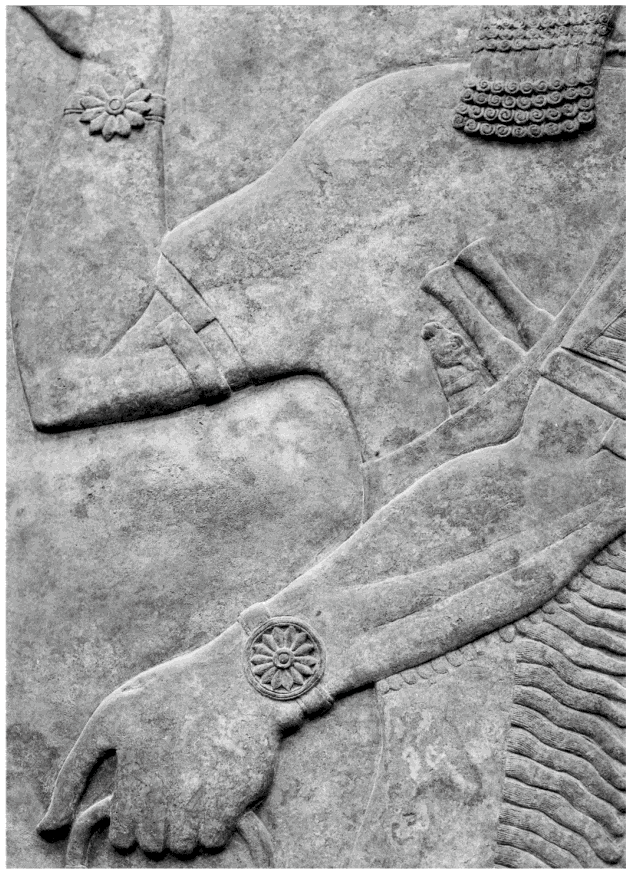
This detailed portrayal of the rosette bracelets is from Panel 12, Room G, Northwest Palace of Ashurnasirpal II at Nimrud. Armlets are visible at the elbow.
This photograph is from Mehmet-Ali Atac, The Mythology of Kingship in Neo-Assyrian Art, Cambridge University Press, 2010, p. 110.
British Museum ANE 124568.
On detailed representations of types 1 and 3, two daggers and a whetstone are usually tucked into the waist (1*, 6*, 17, 20, 22, 26, 39*).
They wear a pair of bracelets with a rosette at each wrist (1*, 6*, 10*, 16–18, 20, 22, 26), a spiral armlet just above the elbow (6*, 17 ), and sometimes a single-stranded necklace (6*, 10*, 17–18, 20, 22, 39*) with up to eight (?) pendants (1*–2).
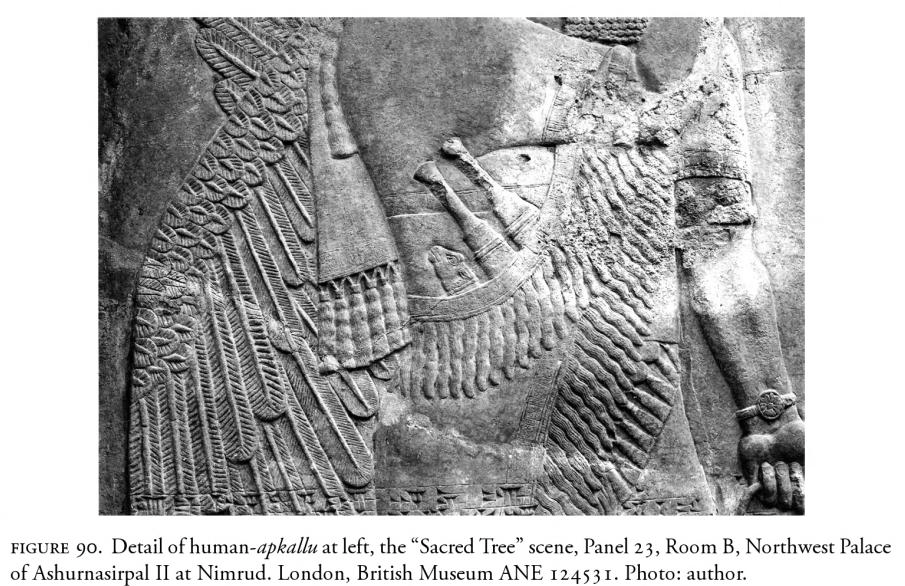
This illustration depicts girdle knives and what is alleged to be a stylized whetstone.
This photograph is from p. 110, Mehmet-Ali Atac, The Mythology of Kingship in Neo-Assyrian Art, Cambridge University Press, 2010.
Types 1 and 3 appear more frequently than type 2 in mirror-image pairs on either side of a stylized sacred tree (1*, 7, 13, 24, 29, 39*), a god (15*, 69), or a king (6 8*). Types 1 and 2 appear together on 12*, 33*–34, and 38. Types 1 and 3 appear together on 7, 21, and 36*.
Stephanie Dalley, “Apkallu,” Iconography of Deities and Demons in the Ancient Near East (IDD), Swiss National Science Foundation, University of Zurich, 2011 (text updated 2011 and illustrations updated 2007), p. 2/7.
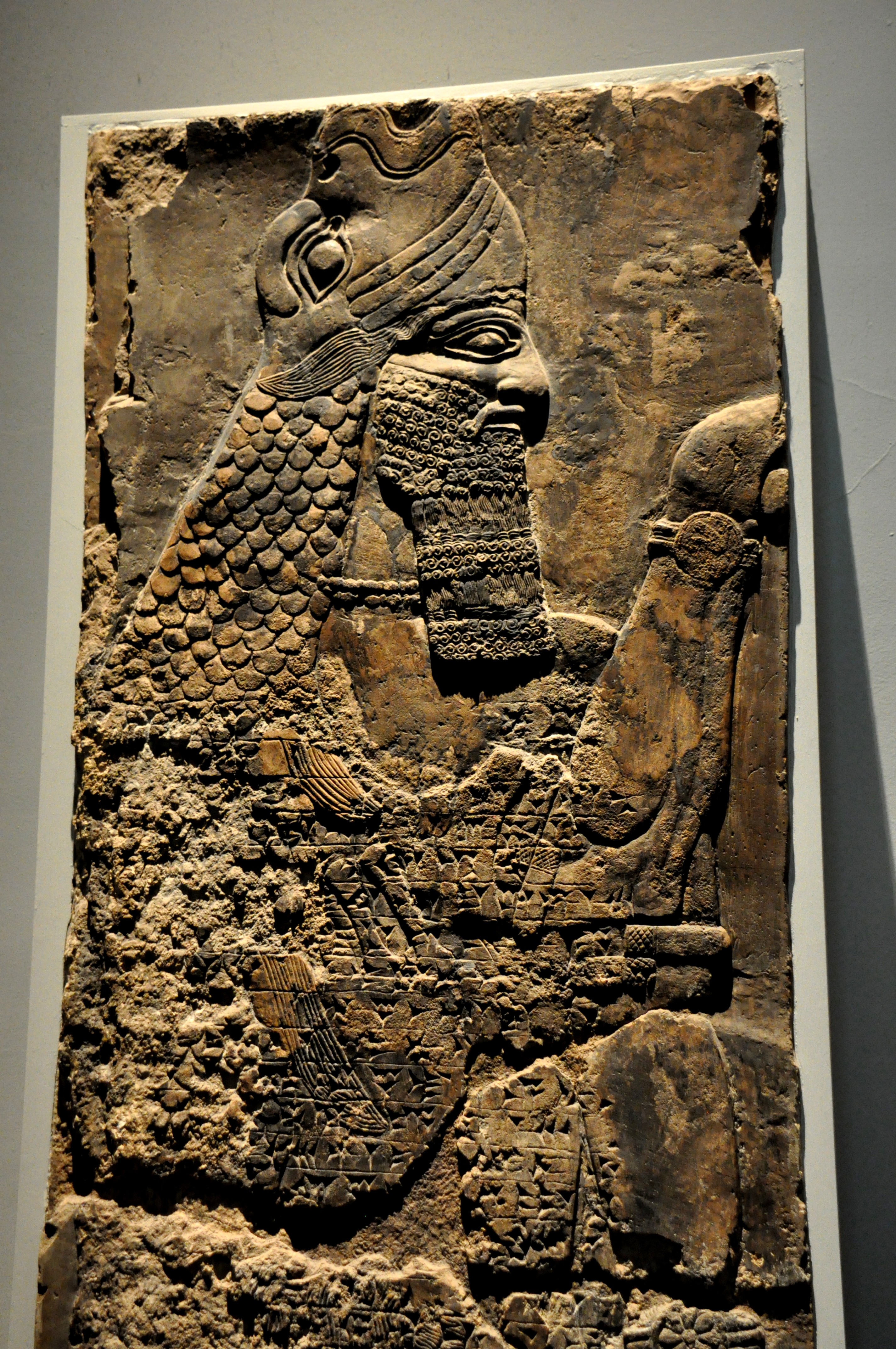
![AM-102 ; No. #1 (K4023) British Museum of London
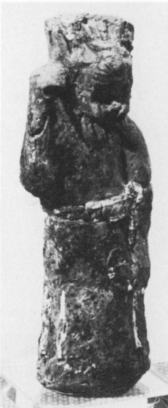
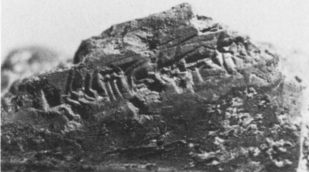
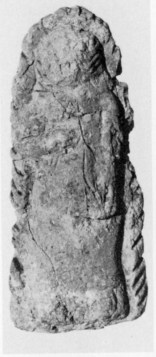
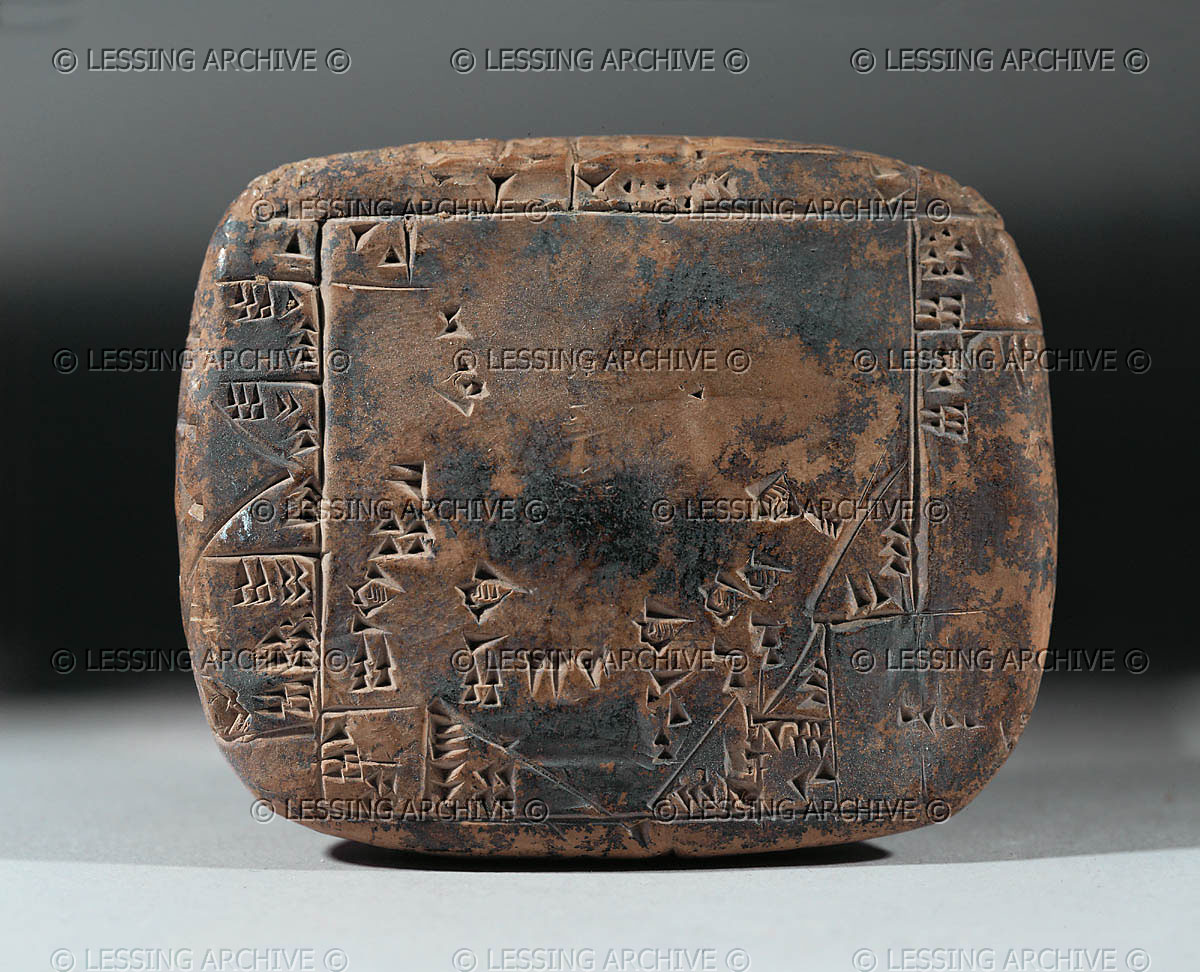
Tablet K.4023 COL. I [Starting on Line 38] . . . Root of caper which (is) on a grave, root of thorn (acacia) which (is) on a grave, right horn of an ox, left horn of a kid, seed of tamarisk, seed of laurel, Cannabis, seven drugs for a bandage against the Hand of a Ghost thou shalt bind on his temples. FOOTNOTES: [1] - The American Journal of Semitic Languages and Literatures, Vol. 54, No. 1/4 (Oct., 1937), pp. 12-40; Assyrian Prescriptions for the Head By R. Campbell Thompson
http://antiquecannabisbook.com/chap2B/Assyria/K4023.htm](https://therealsamizdat.com/wp-content/uploads/2015/07/k4023-antdiluvian-medical-text.jpg)

 Samizdat
September 20, 2015
Melvin: Who Built the First City? Cain? Enoch? Chousor? Or Nimrod?
“The portrayal of the rise of civilization in Genesis 1–11, on the other hand, is generally negative and is devoid of any hint of divine assistance or bestowal of the arts of civilization. A key text in this regard is Genesis 4:20–22, in which the descendants of Cain found the guilds of nomadic shepherding, music, and metallurgy.
The statements are brief, merely indicating that Jabal was the founder of nomadic shepherding, Jubal was the founder of the art of music, and Tubal-cain was the first to work with metals.
If one considers the entirety of Genesis 4, one may also add to the list of new developments animal husbandry (v. 2), agriculture (v 2), city-building and urbanism (v 17), and polygamy (v 19).
An aerial view of the Ziggurat of Ur.
Gunkel, following Wellhausen, reads the account as brief fragments of what were originally much fuller mythological narratives and suggests that they may originally have referred to deities, but even if this reading is correct for the original myths, the text in its present form has been largely de-mythologized, and the individuals and their accomplishments are completely human.
(Hermann Gunkel, Genesis (trans. Mark E. Biddle; Macon: Mercer University Press, 1997), p. 50. Wellhausen argues that the genealogies in Genesis 4 and Genesis 5 refer to the same individuals and were originally identical.
See Julius Wellhausen, Prolegomena to the History of Israel (New York: Meridian, 1957), pp. 308–09; see also E. A. Speiser, Genesis (AB 1; Garden City: Doubleday, 1964), pp. 35–36. If this is the case, then it is important to note that Cain’s genealogy has been distinguished from Seth’s by the insertion of episodes which give the entire list a negative overtone (e.g., Cain’s fratricide, Lamech’s murders).
See John Skinner, A Critical and Exegetical Commentary on Genesis (2d ed.; ICC; Edinburgh: T&T Clark, 1930), p. 115. Since the statements concerning the arts of civilization appear only in the Cainite genealogy, it is likely that their inclusion is for the sake of bringing upon them “guilt by association” with the dark line of Cain.
Ruins and Plan of the Anu Ziggurat and the White Temple. Uruk ( Present-day Warka, Iraq). c. 3300-3000 BCE.
https://www.pinterest.com/pin/168814686005734256/
Seth’s genealogy, by contrast, includes a number of statements which give a more positive impression to the whole list (e.g., humans calling on the name of Yahweh, Enoch walking with God). However, Gordan J. Wenham makes a case against seeing the two genealogies as originally identical. See Gordon J. Wenham, Genesis 1–15 (WBC, 1; Waco: Word, 1987), p. 110.)
Further indication of the human origin of civilization in Genesis 1–11 appears in the motif of city-building and urbanism. Interestingly, Mesopotamian myths attribute the origin of the earliest cities to the work of gods (e.g., Marduk’s construction of Babylon) or semi-divine heroes (e.g., Gilgamesh’s building of the walls of Uruk), while Genesis 4:17 attributes the first city to Cain, who names it after his first son, Enoch, with no indication of divine assistance.
(Westermann notes that the reading of the Hebrew text seems to indicate that it was actually Enoch who built the city, rather than Cain, until one reaches the phrase כשם כנן “according to the name of his son,” which he suggests may originally have read simply כשמו “according to his name” (Genesis 1–11, 327).
He further argues that it would be unusual for Cain to have been both the founder of agriculture and the first city-builder. Such accounts of the development of civilization typically do so by a succession of births in which each generation makes but one new contribution.
But this is not always the case, as The Phoenician History shows by attributing to Chousor (Kothar) the arts of magic, divination, prophecy, sailing, and fishing (see Albert I. Baumgarten, The Phoenician History of Philo of Byblos: A Commentary [Leiden: Brill, 1981], p. 143).)
Similarly, the building of several key cities in Mesopotamia, as well as the formation of the world’s first empire, is attributed to Nimrod in Genesis 10:8–12.”
David P. Melvin, “Divine Mediation and the Rise of Civilization in Mesopotamian Literature and in Genesis 1-11,” Journal of Hebrew Scriptures, 2010, pp. 7-9.
Share this: